
Should you opt for a belt conveyor or a roller conveyor? At Unitech Conveyors, we speak to many businesses facing this exact choice. Let’s take a look at some comparisons, to help you find the best solution.
What is a Belt Conveyor?
Very quickly – before we jump into things. What actually is a belt conveyor?
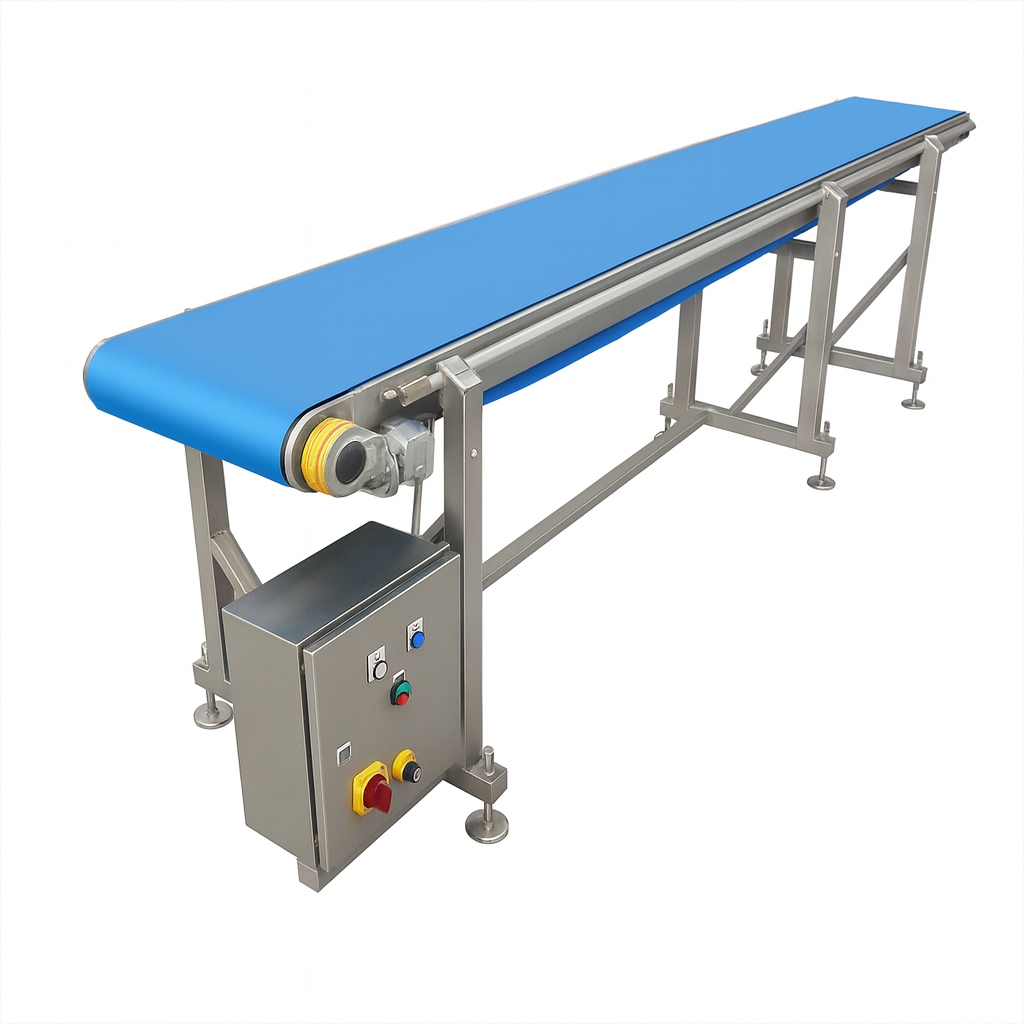
A belt conveyor uses a continuous loop of material (the belt) to move items. The belt is stretched over rollers or a flat surface and is powered by a motor.
It’s one of the most common conveyor types used worldwide.
What is a Roller Conveyor?
And a roller conveyor?
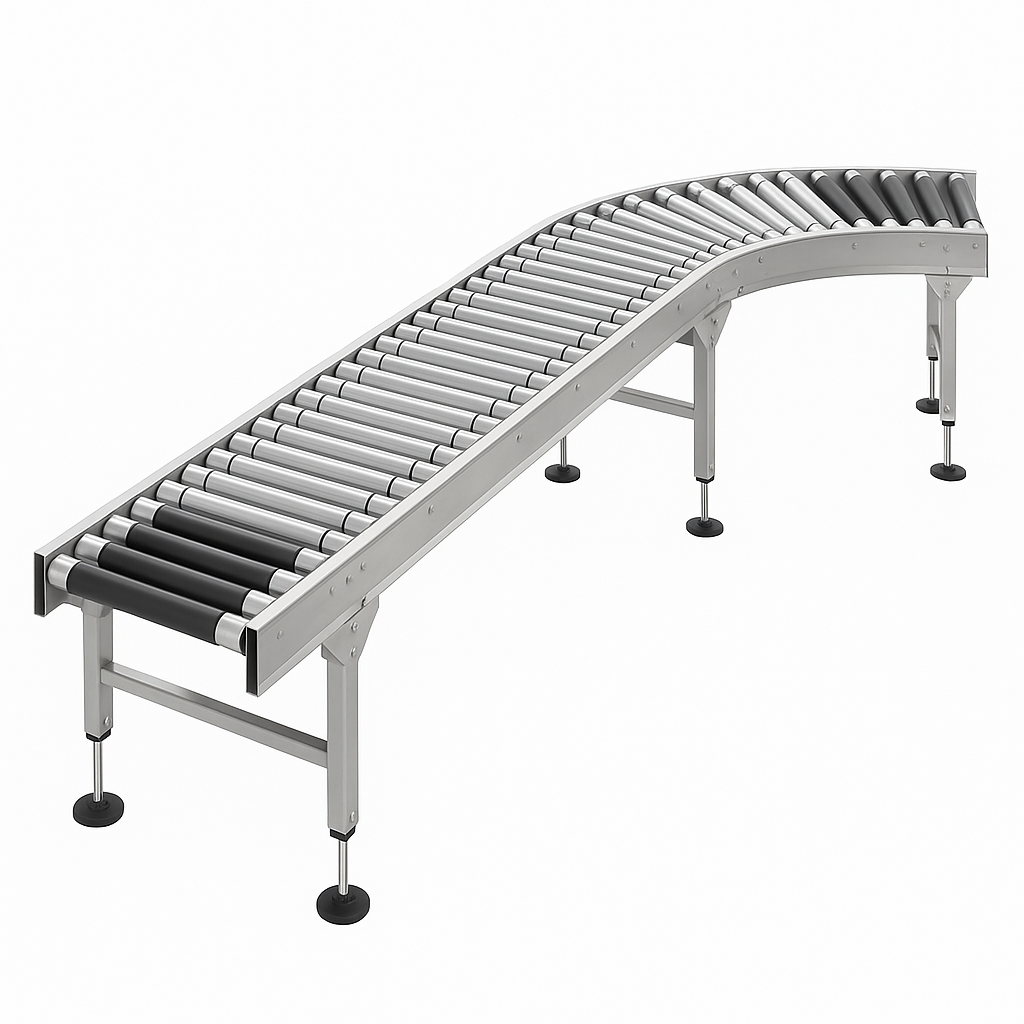
These use a series of rollers to move goods. Items will roll along the surface, either by gravity or with motor power.
When to Use Belt Conveyors
What you mainly need to look at is – what items are you moving, and how do you need it to move? Below are some examples of when we think it would be best to use a belt conveyor.
| Situation | Why it Works Well |
|---|---|
| Moving small items | Items won’t fall between gaps |
| Handling loose and unboxed products | Flat surface keeps things steady |
| Carrying fragile goods | Smooth movement reduces impact |
| Inclines or declines | Belts help grip items and stop slippage |
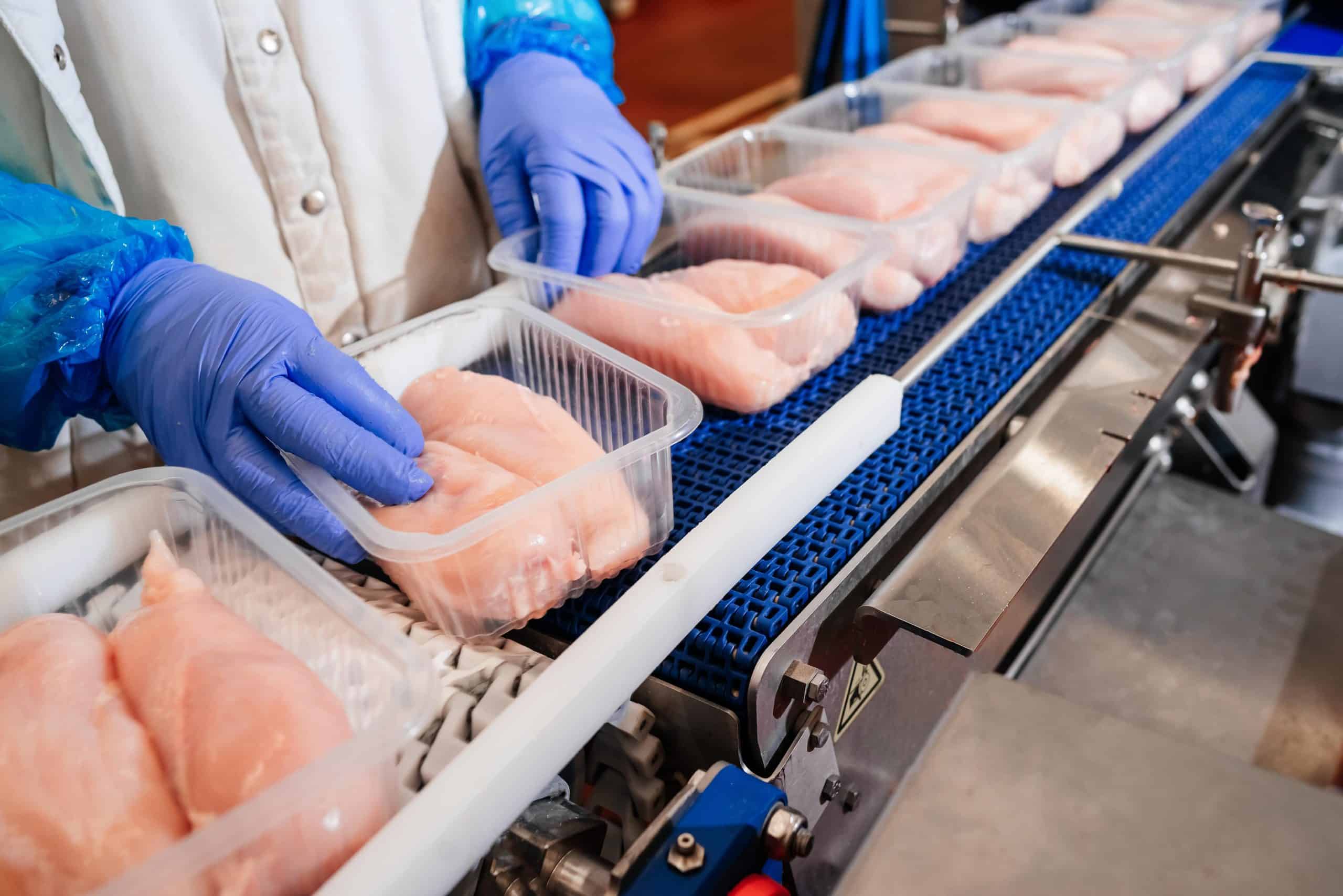
| Hygienic environments (e.g. food) | PU belts are easy to clean |
| Noise conscious settings | Quiet operation |
Are There Any Disadvantages?
- Belts can stretch and wear under heavy loads, and need replacing over time.
- Not ideal for sharp edged items.
- Not suitable for allowing product build-up
When to Use Roller Conveyors
Below are some examples of when we think it would be best to use a roller conveyor.
| Situation | Why it Works Well |
|---|---|
| Moving boxes or cartons | Flat bases roll smoothly |
| Heavier loads | Rollers handle weight with ease |
| Warehousing and distribution | Ideal for repetitive movement |
| Gravity-fed systems | No motor needed for simple setups |
| Cost-conscious projects | Often lower upfront cost |
| Expanding the business | Easy to add sections or change layouts |
Are There Any Disadvantages?
- Items need a flat base to move properly.
- Can be noisy in busy environments.
- Limited control without added powered systems.
Product Type Matters Most
Remember, the most important factor is what you’re moving.
Ask yourself:
- Are your items small or large?
- Do they have a flat base?
- Are they fragile?
- Do they vary in size?
- Is it food related?
If your products are varied or delicate, a belt conveyor is often the safer choice.
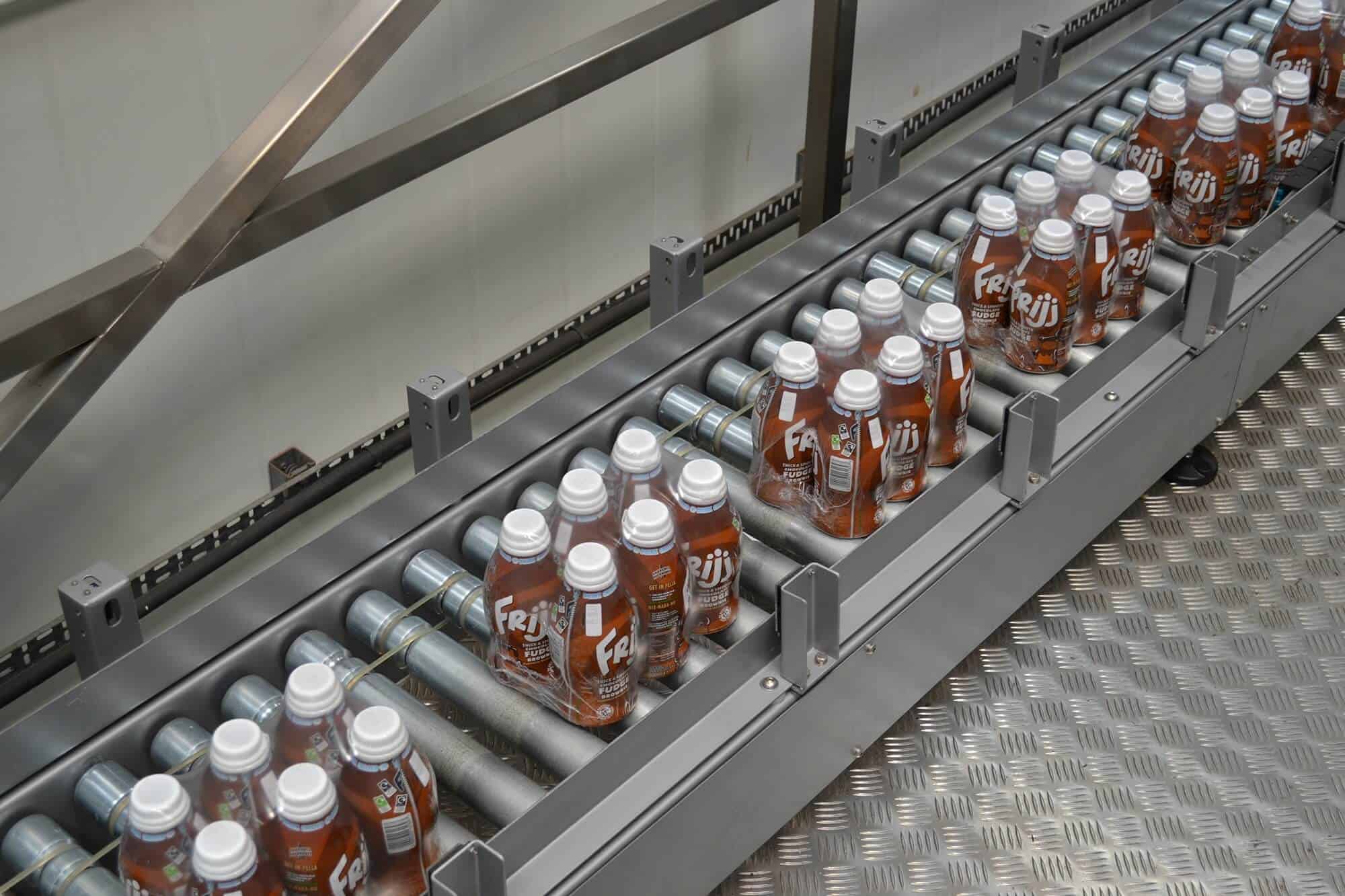
If your products are uniform and solid, a roller conveyor can do the job well and at a lower cost.
Industry Suitability
We’ve also made a simple guide to help you see what (typically) works best in which industries:
| Industry | Belt Conveyors | Roller Conveyors |
|---|---|---|
| Bakeries | ✓ | |
| Breweries | ✓ | ✓ |
| Food handling | ✓ | |
| Logistics | ✓ | |
| Pharmaceutical | ✓ | |
| Manufacturing | ✓ | ✓ |
| Warehousing | ✓ | |
| E-commerce | ✓ |
Let’s Find the Right Conveyor for You
Still unsure which system suits your business? We can help.
At Unitech Conveyors, we design and supply conveyor systems that match your exact needs. Whether you’re setting up a new line or improving an existing one, our team is ready to guide you.
Simply contact us today on 01543 675800 or drop us an email – info@unitech.uk.com